
KNOWLEDGE AND THE KNOWER—
WHAT COUNTS AS KNOWLEDGE?
INSTANTIATION—WHERE IS KNOWLEDGE?

Smart ape juxtaposed with voluminous sets of digital data
Image source: Schmidt Futures AI postdoctoral fellowship program at Oxford University.
INSTANTIATE!
Let’s begin by demystifying “instantiate.” Instantiating is clarifying or explaining an idea with a real-world example. When you instantiate a concept you are providing an instance of it.
“Arguments are clear, coherent and effectively supported by specific examples. ”
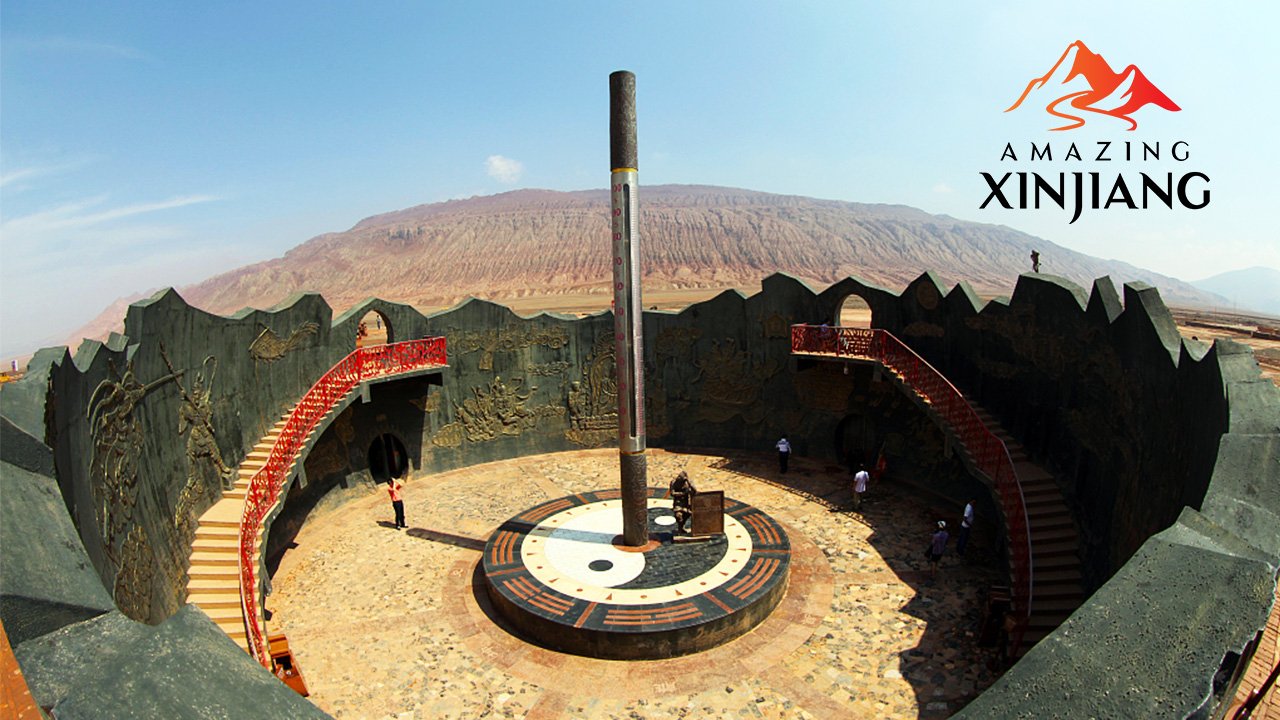
Golden Cudgel: the worlds largest thermometer in Turpan, Xinjiang, where temperatures have soared to 63 degrees Celsius!
Image credit: CGTN
RAW DATA AND INFORMATION
Data, information and knowledge can be understood as a strict hierarchy of increasing complexity; or as labels used informally and more or less interchangeably in everyday conversation. As a commonsense entry point, let’s agree for now that:
Information is organized raw data
KNOWLEDGE — SOMETHING TRUE AND USEFUL
Knowledge itself is a tad more elusive and slippery to define. Lest we forget that entire epistemologically-flavored academic courses (TOK included) have been developed to explore what knowing is.
TOK students were introduced to traditional approaches to knowledge in the Student knowledge claims activity. They explored the difference between knowledge by description and knowledge by acquaintance in the Knowing that and knowing how written assignment. They also grappled with the strengths, and some of the inherent limitations, of the notion of Justified True Belief and Good and bad explanations.
In short—even at this very early stage of the TOK course—students will have developed a sense of what knowledge is and how knowledge is acquired. They recognize the value of relentlessly asking “How do we know that?”
Knowledge is hard to define but we know it when we see it. Rather than wordsmithing the concept of knowledge to oblivion; we will adopt a “Look, don't overthink!” approach.
The class activities that follow provide an unsettling, messy-real-world, close encounter with a fundamental question:
What counts as knowledge and where is it located?
A quasi-safe, commonsense starting point is to adopt the position that knowledge cannot exist without a conscious, sentient knower. Things start to get more interesting when we consider the status of “information/knowledge” instantiated in non-sentient physical objects and organisms at various scales, as well as the myriad artifacts of technology and culture—including language itself.
CLASS ACTIVITY I — HOT AND COLD
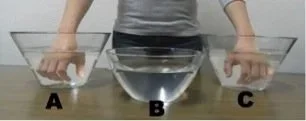
1. Left hand in the iced water and right hand in the heated water for a full 45 seconds.
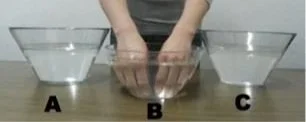
2. Immediately plunge both hands into the bowl of uniformly warm water.
This quick, (forgive the pun) warm-up activity sets the scene for the second class activity. The strangeness of the outcomes justifies obtaining the materials for the set physical up. Tou will need three large bowls, an electric kettle and a generous scoop of ice!
Use a kettle and ice to maintain three bowls of water as “very cold,” “warm” and “hot.” The fact that you do this preparation yourself only increases the strangeness of what you will experience next… Simultaneously, place your left hand in the iced water and your right hand in the heated water for a full 45 seconds. Immediately plunge both hands into the bowl of uniformly warm water. What do you notice? Repeat the experiment this time using all your conscious will power to deny and not feel the effect. What is going on here?
CLASS ACTIVITY II —
THE DIFFERENCE BETWEEN A BLINK AND A WINK


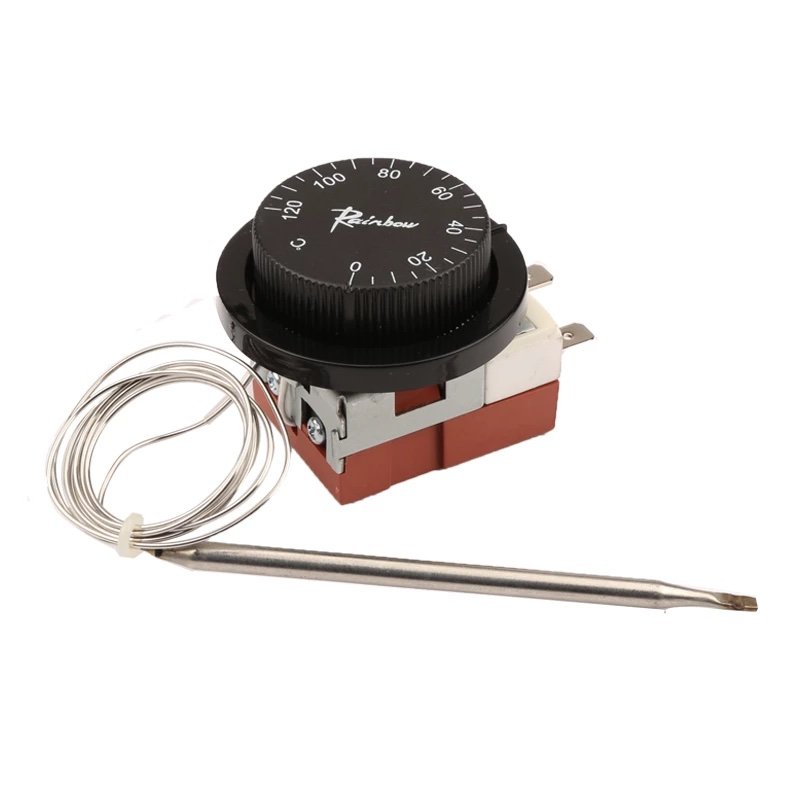
Begin by projecting this collage of three images to the whole class. Jump straight in by asking:
What data does the thermometer display and how does it work?
What does a thermostat do?
Compare and contrast these two products of human technology with melting ice?
It may or may not be necessary to ask:
Does the ice know that it is melting? Does the mercury in the thermometer know it is rising? Does the thermostat know when to turn the heating on or off?
Next project this simplified model for homeostatic temperature control in humans and the photo of the Central Arctic Inuit family in their temporary snow house.


Continue the class conversation with:
“As far as the knowledge is concerned, how do these two human scenarios compare to the thermostat?”
Finally consolidate the activity by having a student read the following whimsical poem:
“Ice —
Melts.
Mercury rises.
Thermostat switches.
Body —
Shivers or sweats.
Take off that warm coat.
Place another log on the fire.
There’s a mighty difference —
Between a blink
And a wink!
”
Thank the student reader and without further comment ask the class:
So… what is the difference between a blink and a wink?
And..
How does understanding that difference play into what it means for a sentient being to know something?

CLASS ACTIVITY III —
VARIETIES OF KNOWLEDGE INSTANTIATION
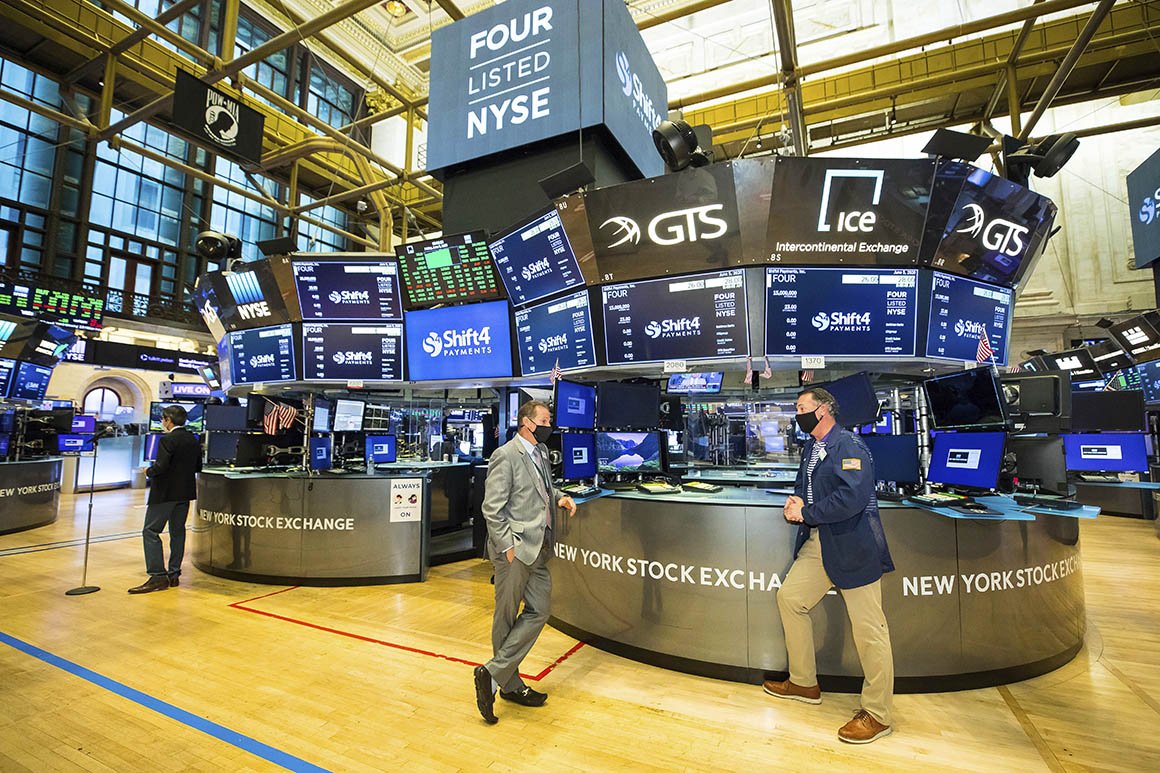
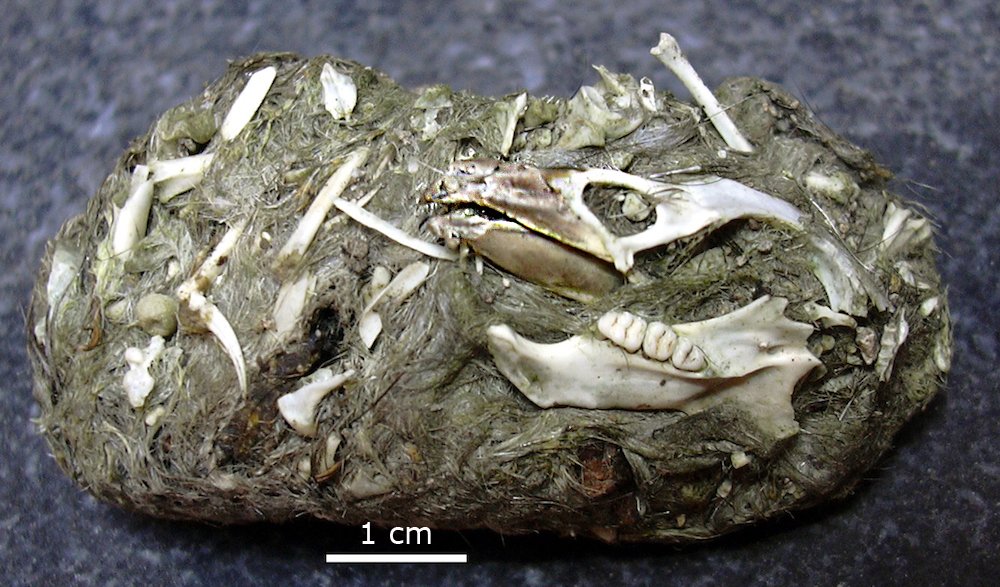
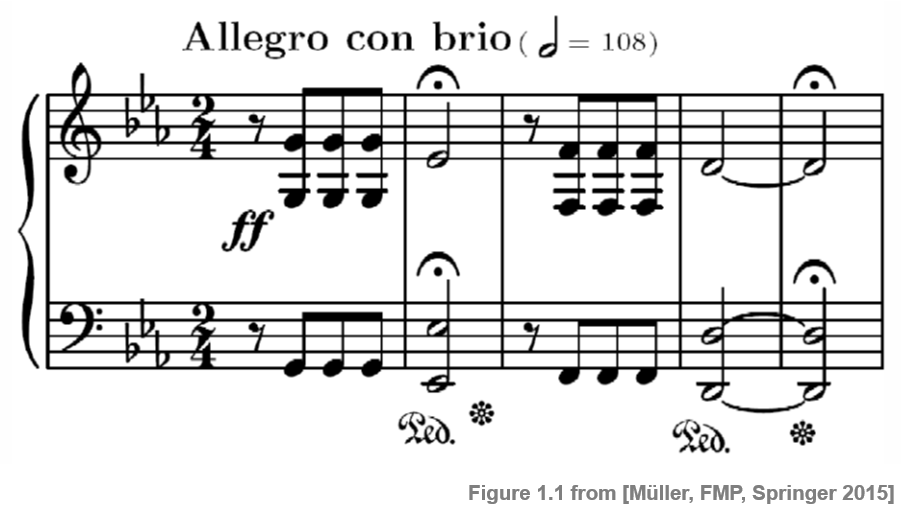
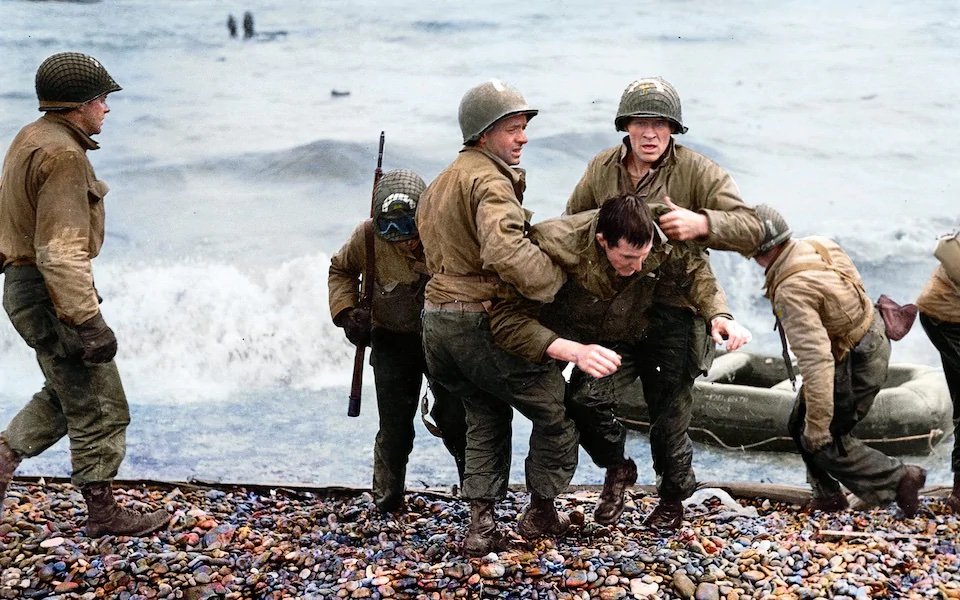
Prepare in advance enough sets of these 32 knowledge scenario cards for the class working in pairs. Here are the images in an unrestricted Google Doc.
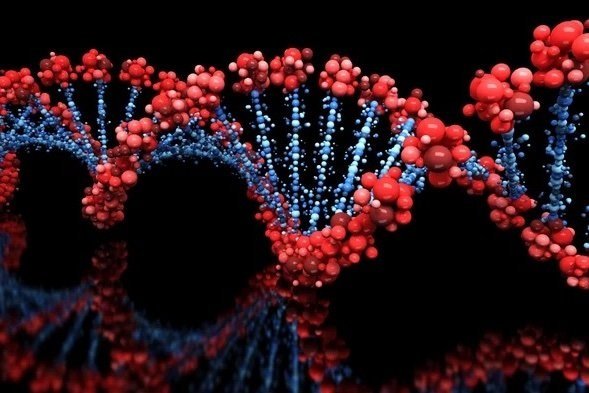
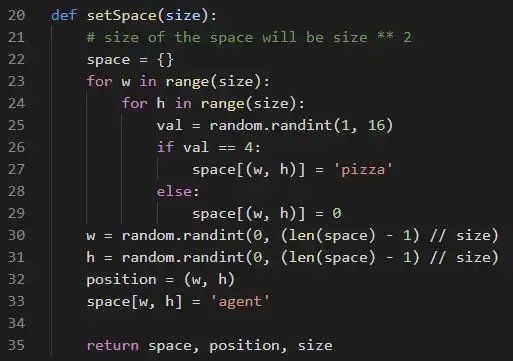
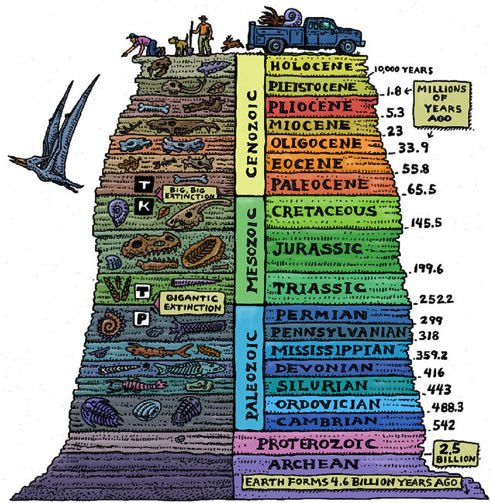
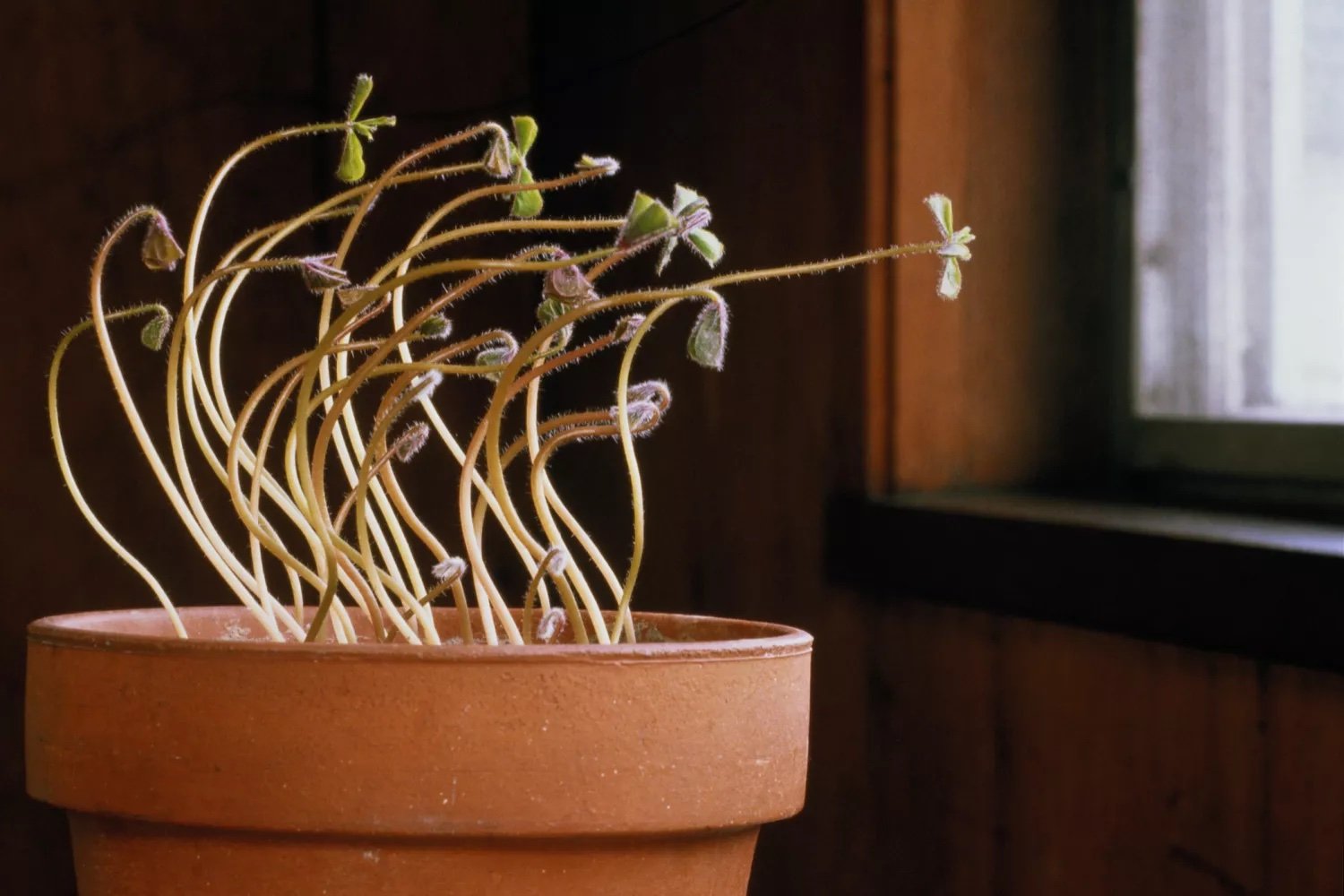
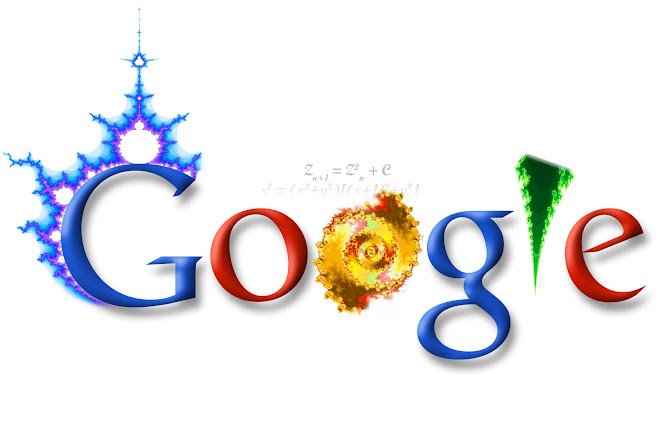
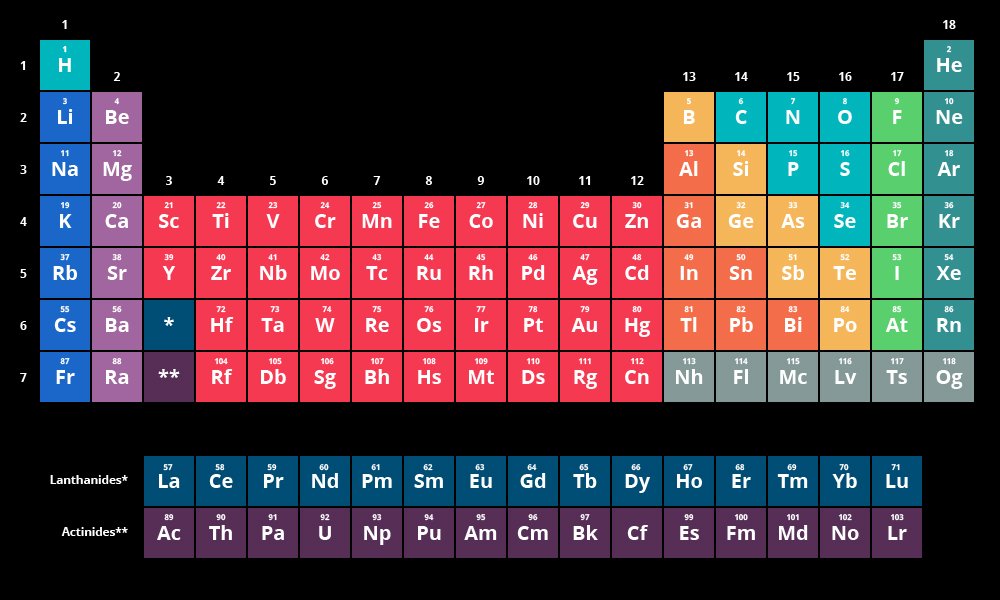
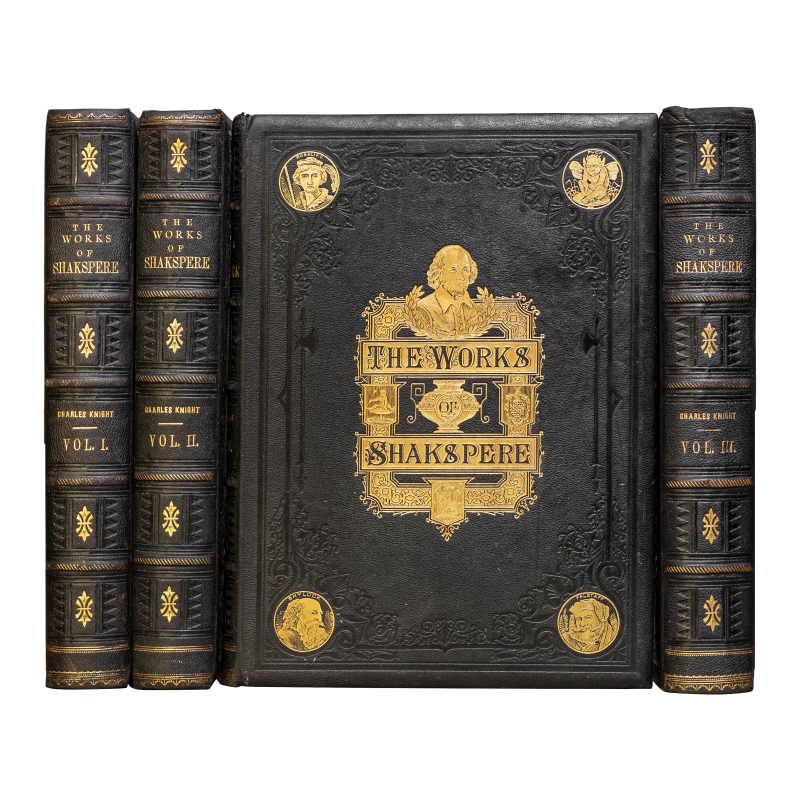
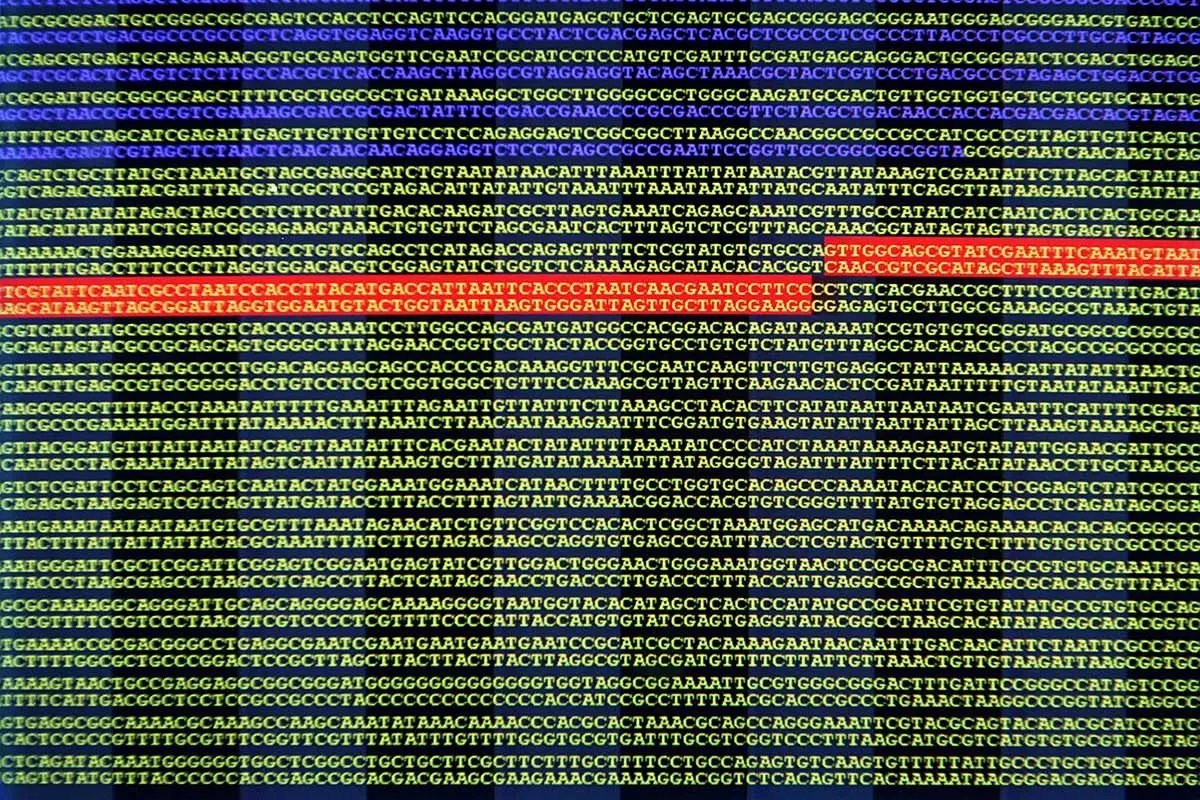
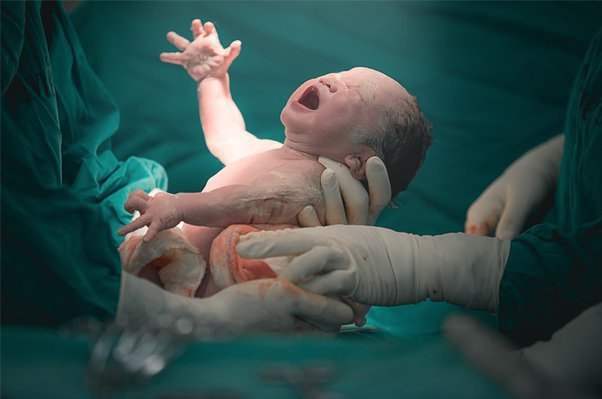
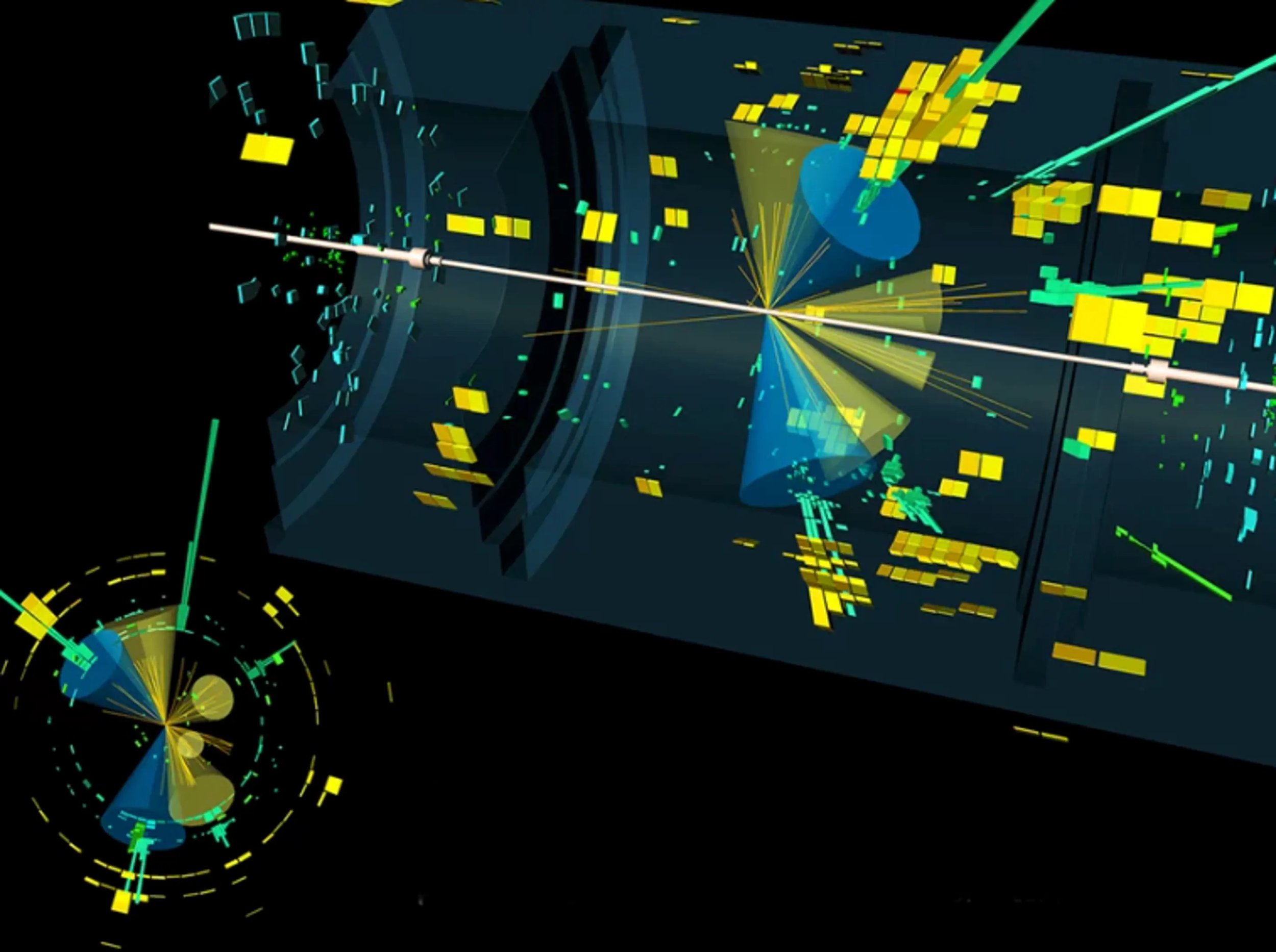
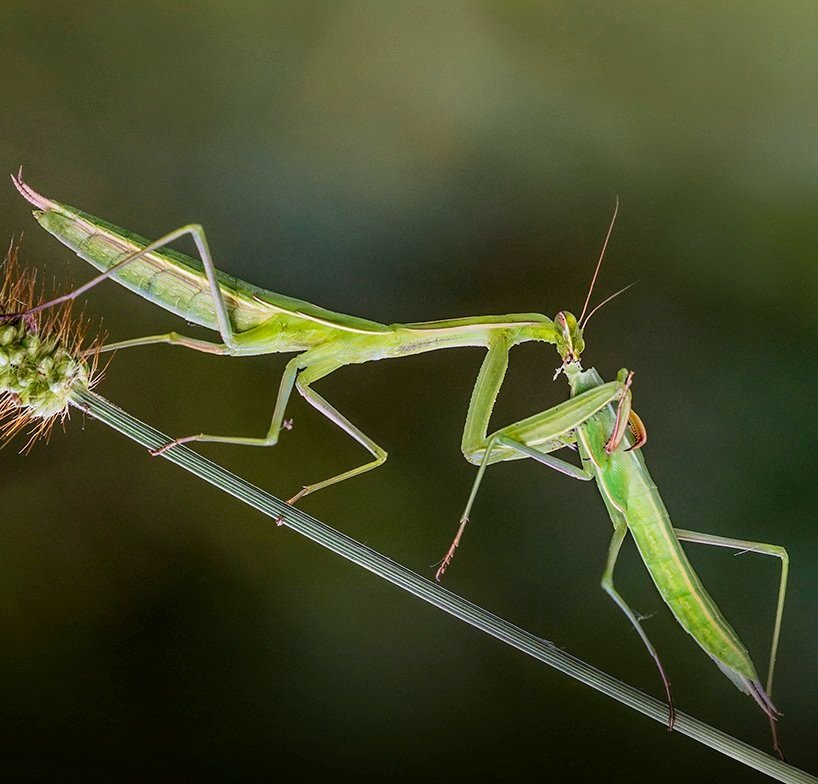
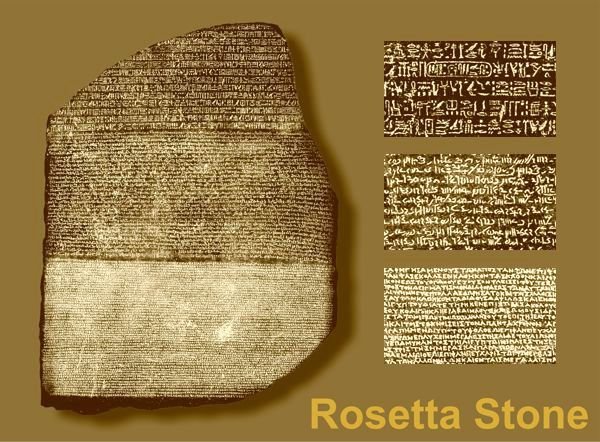
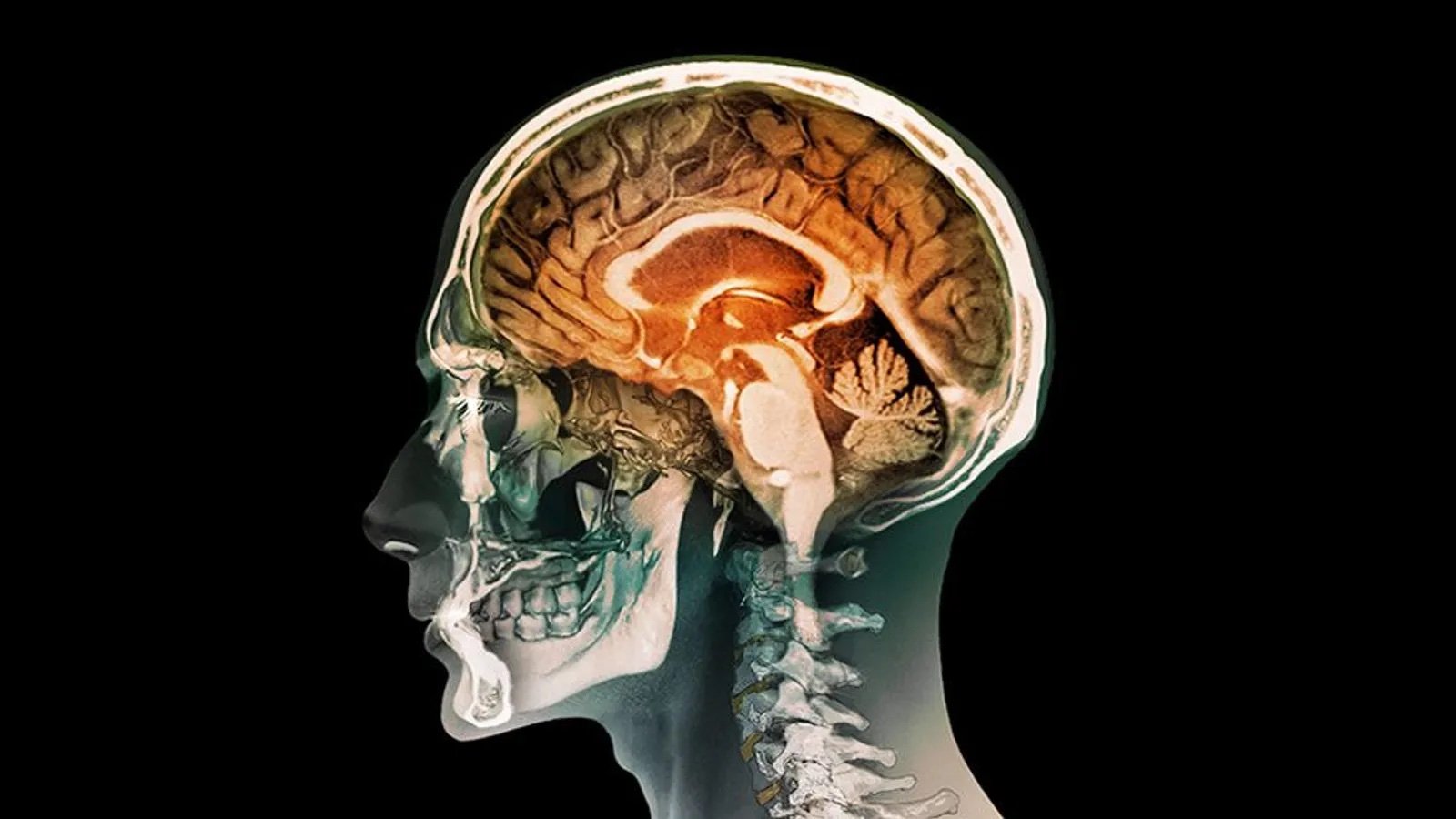
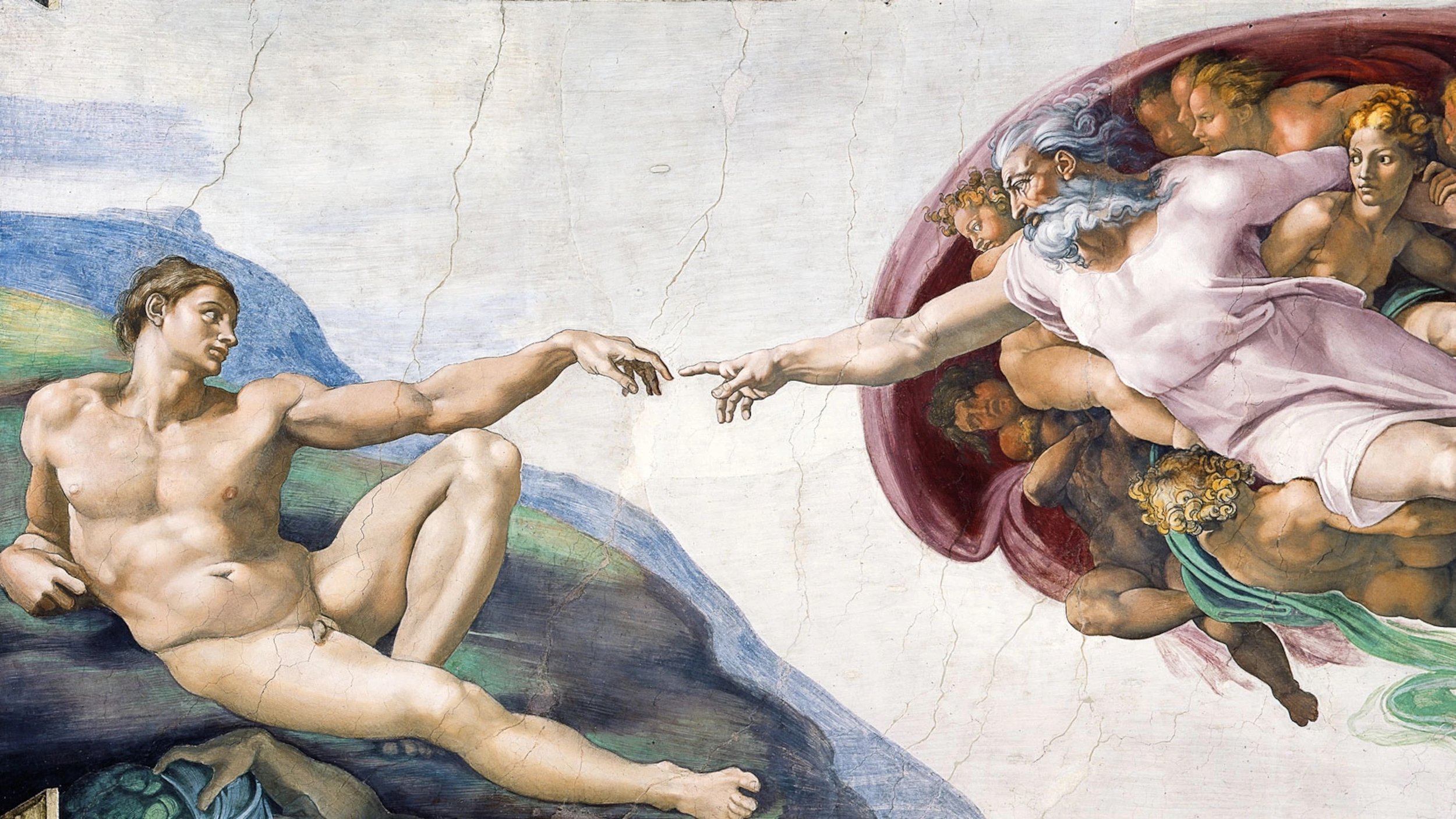
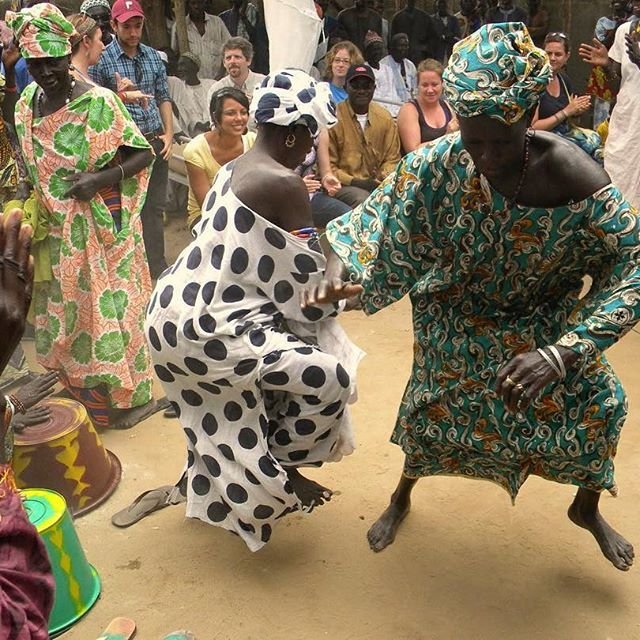

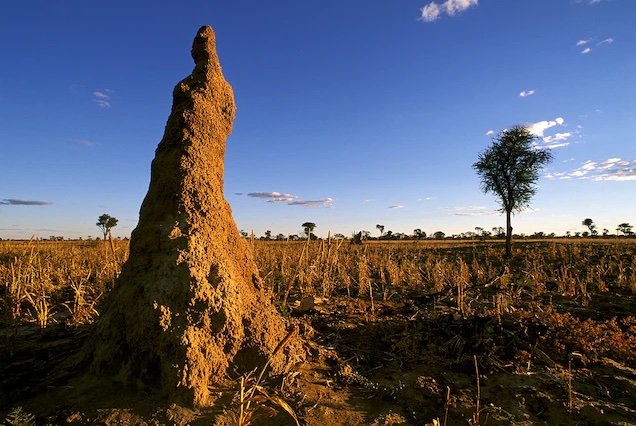
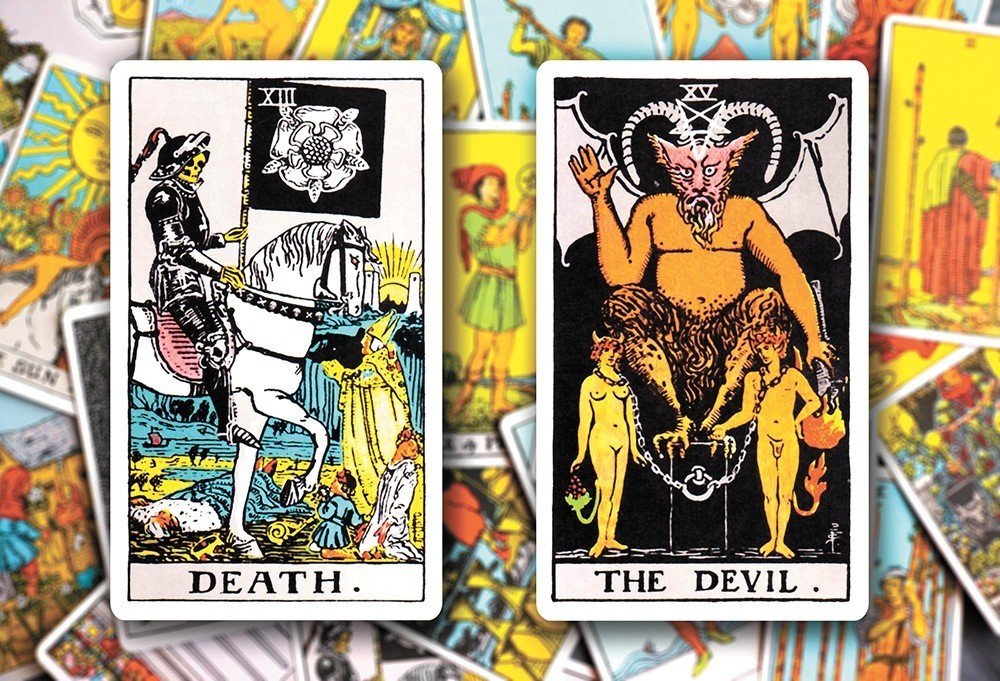
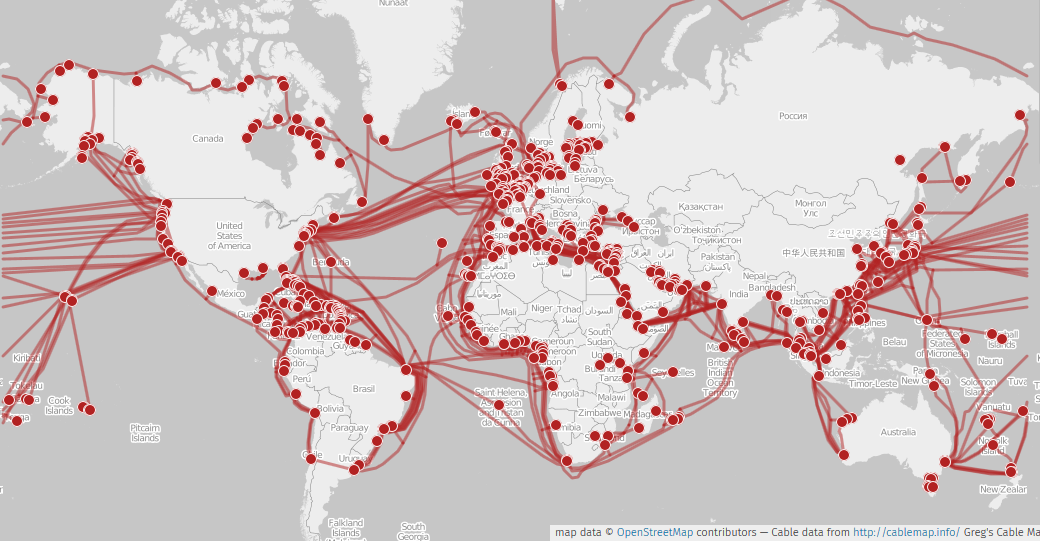

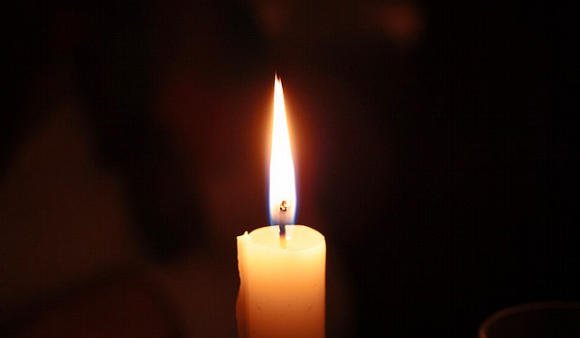
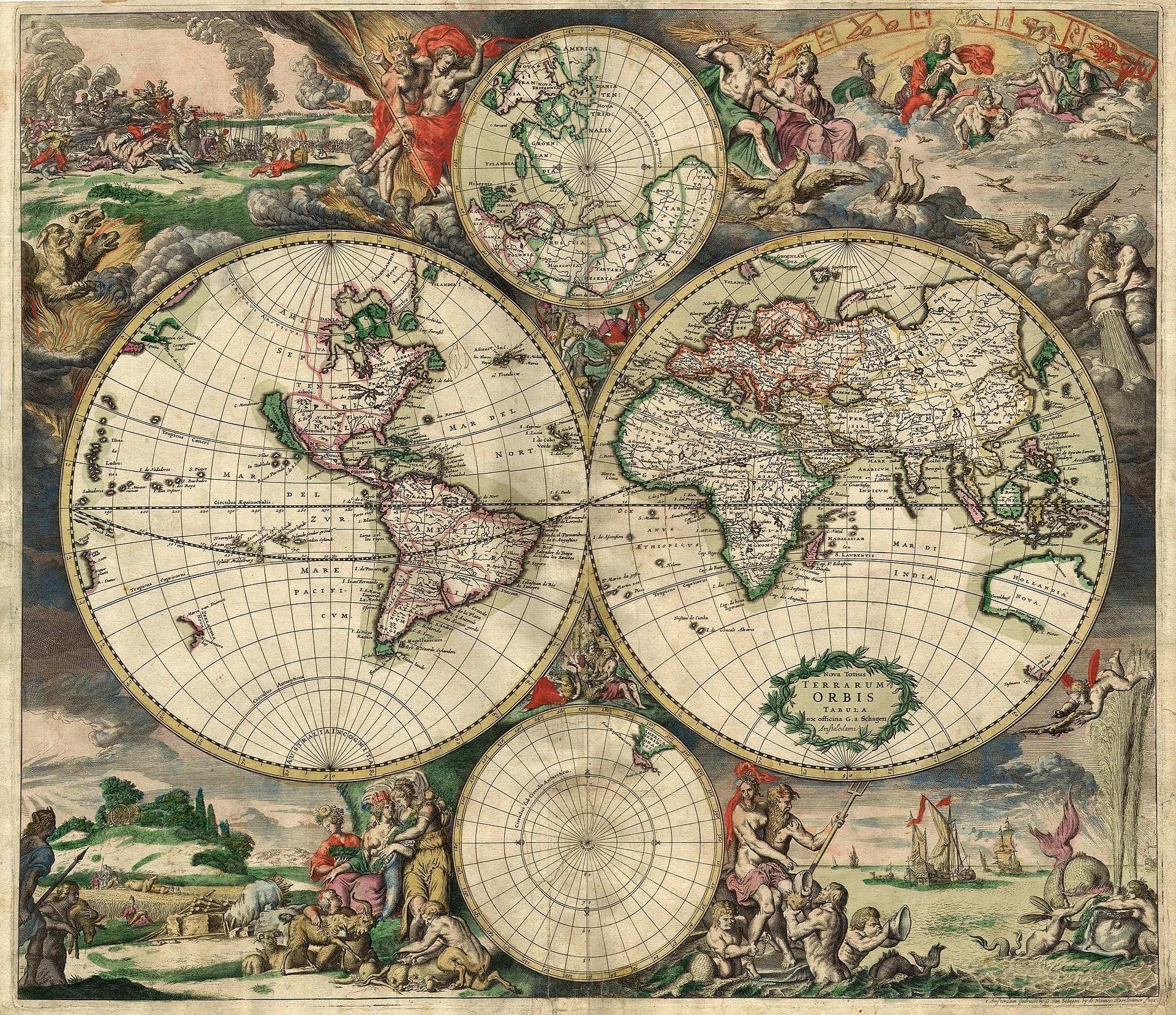
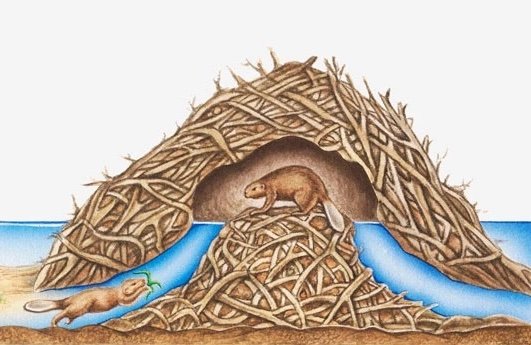
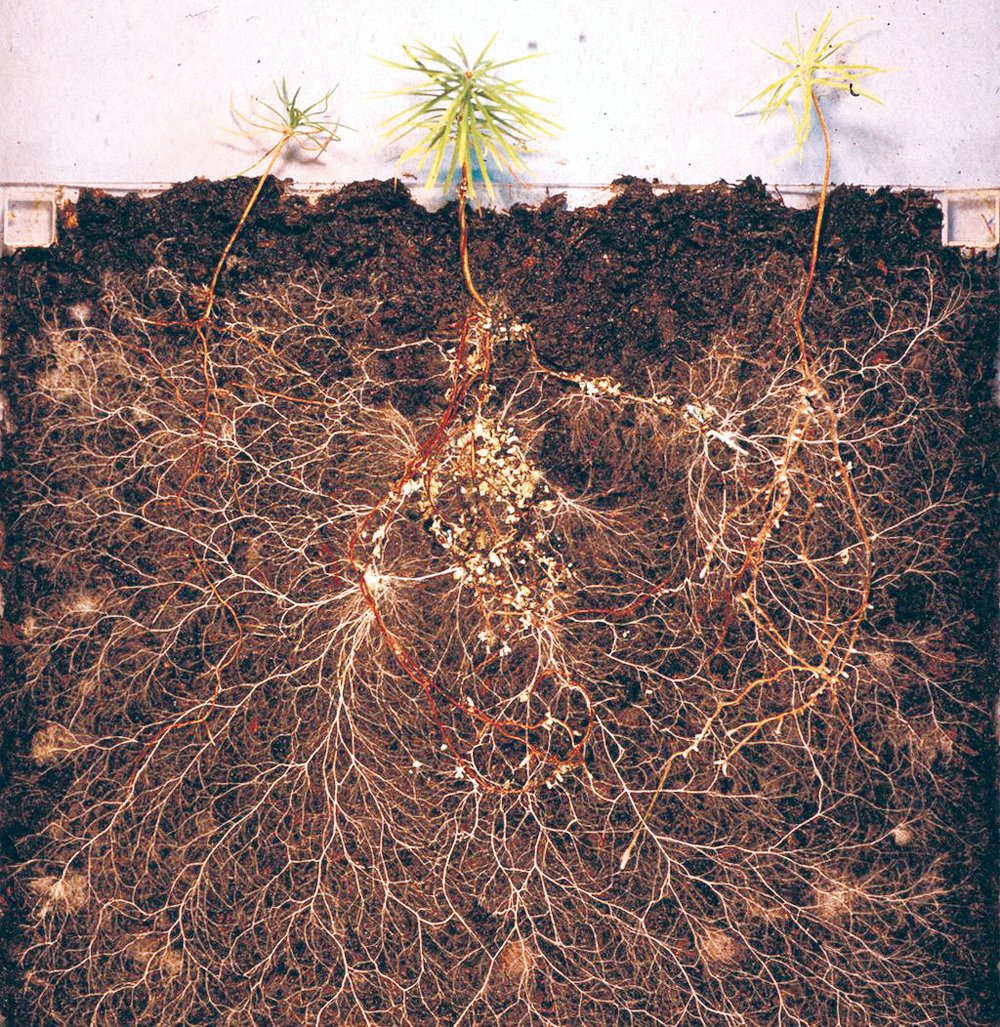
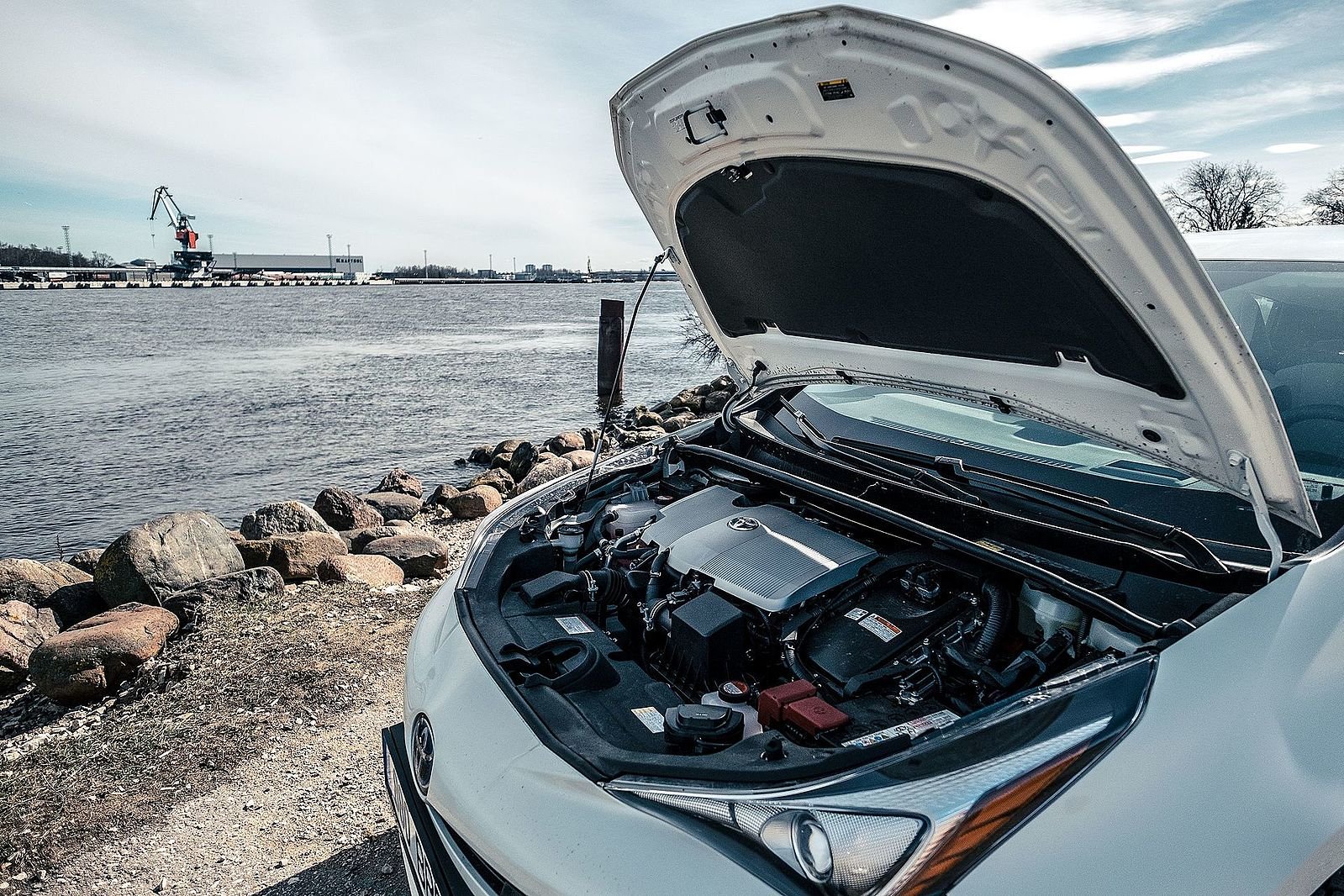
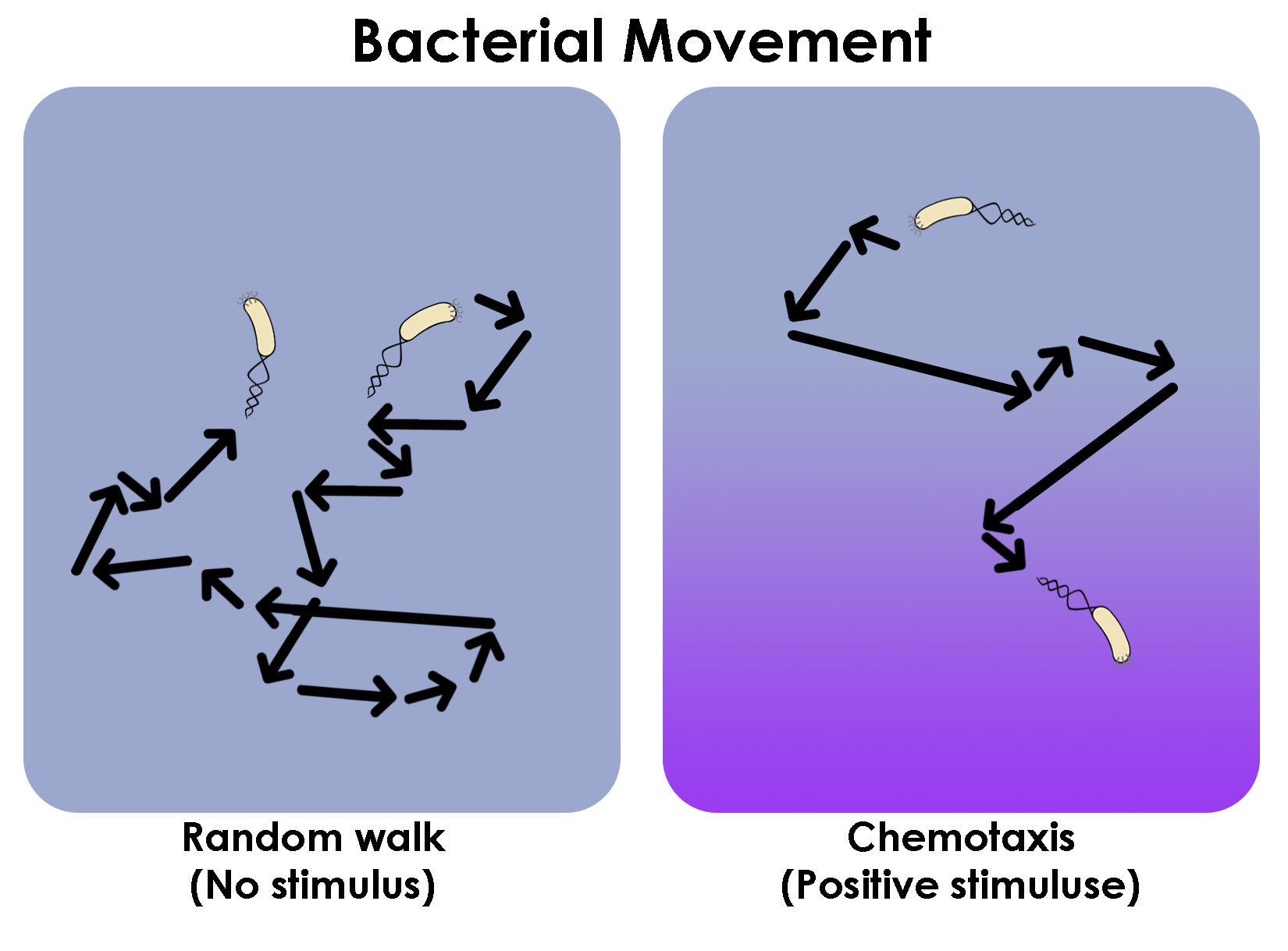
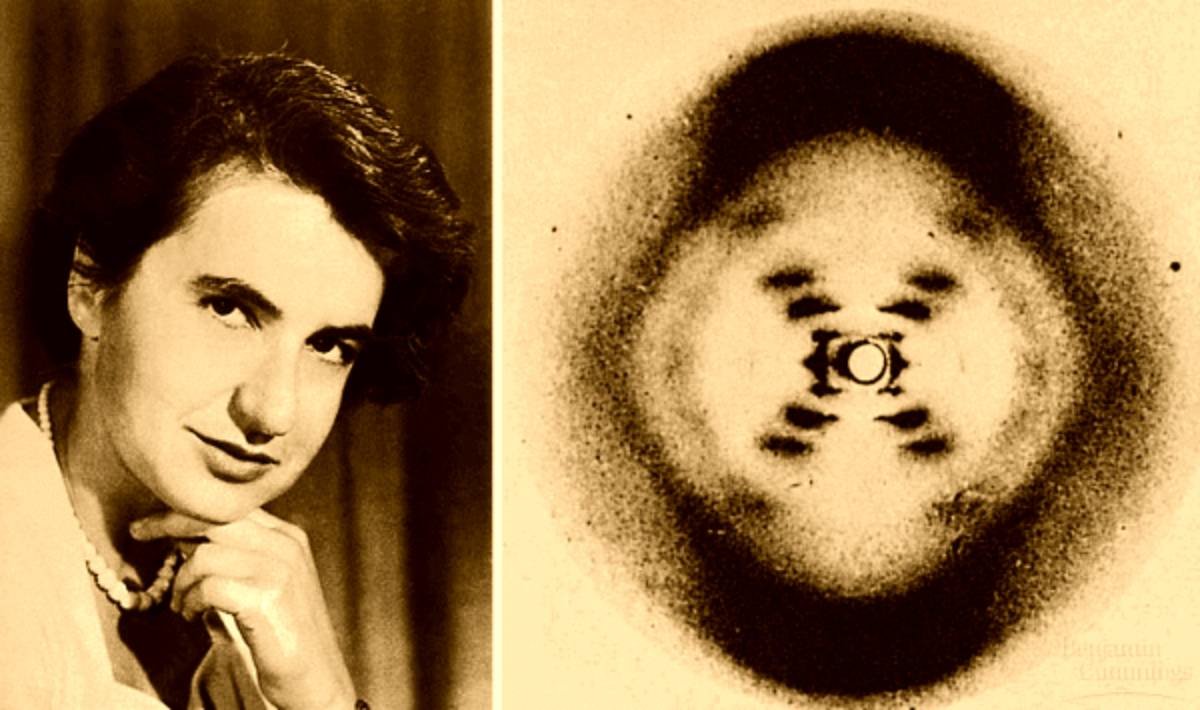
SEQUENTIAL SLOW REVEAL
Assign student pairs randomly. Deliberately shuffle one of packs of 32 cards and, with ceremony, deal them facing down to the student pairs, one at a time. Each pair will now have several cards. At this stage students only see the images and descriptors dealt to them. Inform students that they will attempt to unpack their assigned real-life knowledge scenarios guided by the following questions:
1. What, if anything, counts as knowledge here?
2. How is knowledge and/or information physically represented or encoded here?
3. To what extent is a conscious knowing subject involved here?
4, What is the role of human culture here?
One of the students should take on the role of scribe. Tell students in advance that after five minutes of conversation time students pairs will be called upon to present their findings to the entire class.
A theatrical element of novelty and surprise is maintained if the classroom is darkened and the images are projected in sequence. The teacher asks “which pair has this image?” Pairs of students then make their presentations in the half light!
PONDERING THE ENTire set
This time, provide each pair with a complete sets of the 32 knowledge scenario cards. Invite students to do the following—confirming that each group has completed each task before moving to the next:
1. Divide the cards into living (biological) vs. non-living physical instantiations of knowledge
2. Select all cards representing products of human culture
3. Identify cards evoking individual subjective knowledge experiences
4. Find cards that are outright rejects—that do not even count as knowledge!
Conclude by asking students to suggest—with justifications—possible additions to the set of knowledge instantiation images for future TOK students. For example, an AI-driven chatbot is conspicuous by its absence.